


James Hardie vs. Vinyl Siding: What’s Best for Calgary’s Climate?
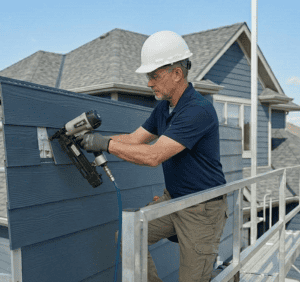
Choosing new exterior cladding is a major investment for any homeowner. In Southern Alberta, your building envelope faces extreme freeze-thaw cycles, sub-zero winter temperatures, and severe hailstorms. Consequently, selecting the best siding Calgary homes require is essential to protecting your structure over the long term.
Homeowners frequently compare fiber cement against traditional vinyl. Both cladding materials deliver unique benefits, but their performance varies significantly in Alberta’s harsh weather conditions.
Finding the Best Siding Calgary Homes Need for Extreme Weather
Calgary weather tests exterior materials throughout every season. Therefore, understanding how each material responds to thermal stress and impact helps you choose the right product.
-
Impact and Hail Resistance: James Hardie fiber cement consists of cellulose fibers, sand, and Portland cement. As a result, it provides exceptional impact strength and ranks among the top choices for hail-resistant siding. Conversely, standard vinyl can become brittle in winter cold. High-velocity hail impacts can crack or shatter cold vinyl panels.
-
Temperature Fluctuations and Warping: Chinook winds often trigger rapid temperature shifts of 20 degrees within hours. Because fiber cement remains dimensionally stable, James Hardie Calgary installations resist expansion and contraction. In contrast, vinyl expands and contracts substantially. If installers nail vinyl too tightly, panels can buckle during summer heat.
-
Fire and Moisture Safety: Fiber cement holds a non-combustible Class A fire rating. Meanwhile, vinyl siding can soften or melt under high heat exposure. Both systems require proper weather barriers built to official Alberta Safety Codes to prevent moisture intrusion.
Comparing James Hardie and Vinyl Siding in Calgary
While fiber cement excels in impact defense, vinyl siding Calgary homeowners choose remains a very popular exterior option. Evaluating maintenance requirements and upfront costs clarifies which option fits your home best.
-
Upfront Costs vs. Lifespan: Vinyl siding is lightweight and cost-effective, making it ideal for budget-conscious projects. Quality vinyl typically lasts 20 to 30 years. In comparison, fiber cement requires a larger initial investment, but it delivers an expected lifespan of 30 to 50 years.
-
Aesthetics and Maintenance: Factory-baked ColorPlus technology ensures James Hardie resists UV fading and maintains crisp woodgrain shadow lines. Similarly, vinyl never requires paint because its pigment runs entirely through each panel. Both products simply require periodic cleaning with water and mild soap.
-
Energy Performance: Insulated vinyl products add continuous foam backing to reduce thermal bridging. Similarly, pairing fiber cement with exterior rigid insulation boosts efficiency across prairie winters.
When to Plan a Full Siding Replacement
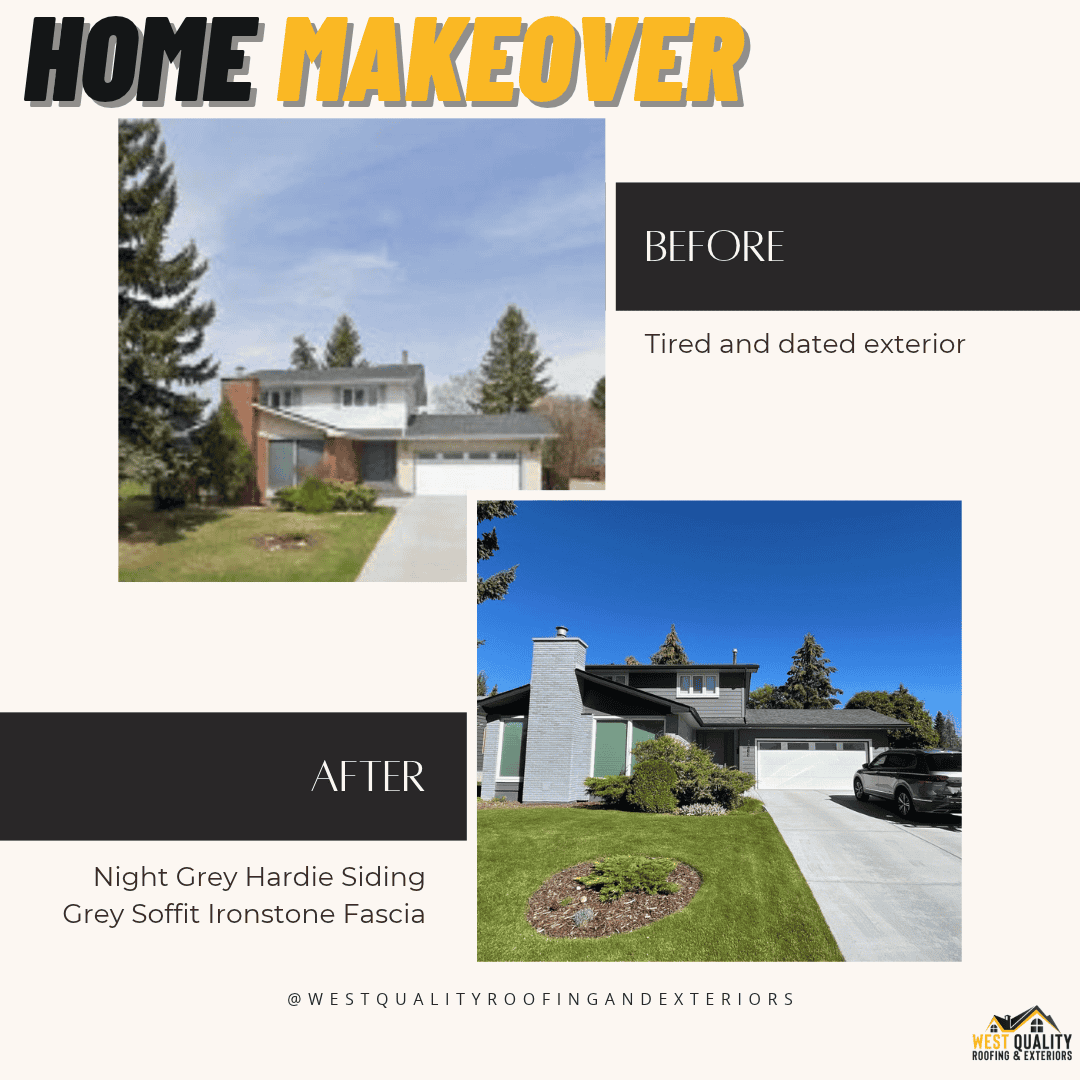
If your existing exterior shows widespread storm cracks, loose panels, or persistent moisture leaks, simple spot patching is often insufficient. A full siding replacement upgrades your house wrap, updates your exterior insulation, and elevates your property’s resale value. In the end, proper installation delivers the best siding Calgary properties need to endure prairie seasons.
Transform Your Home’s Exterior
Ready to upgrade your home’s protection and curb appeal? Explore siding options for your home with West Quality Roofing & Exteriors today to find the perfect match for Calgary’s climate.