




Calgary homeowners know how quickly summer weather can change. A warm afternoon can turn into a severe thunderstorm with high winds, heavy rain and damaging hail in a matter of minutes.
Hailstorms can occur in Alberta from May through October, but Calgary’s greatest risk is generally during the warmer summer months particularly June, July and August. The region between Calgary, Red Deer and the Rocky Mountain foothills is often called “Hail Alley” because of its frequent and sometimes severe storms.
You cannot prevent a hailstorm, but you can take practical steps to make your home more resilient and identify vulnerable areas before the next storm arrives.
Why Calgary Homes Need Hail-Resistant Roofing
The City of Calgary recommends resilient roof assemblies and materials that can withstand the city’s frequent hailstorms. This includes properly installed roof decking, quality underlayment and impact-resistant roofing materials.
According to the City, Class 4 impact-resistant shingles can reduce the chance of damage by approximately 15 times compared with standard asphalt shingles. Although they cost more initially, their improved performance may provide considerable long-term value in Calgary’s climate. Read more in the City of Calgary’s climate-ready roofing guidance.
However, the material covering your roof is only one part of the system. Underlayment, flashing, ventilation, fasteners, roof decking and professional installation all contribute to how well a roof performs during severe weather.
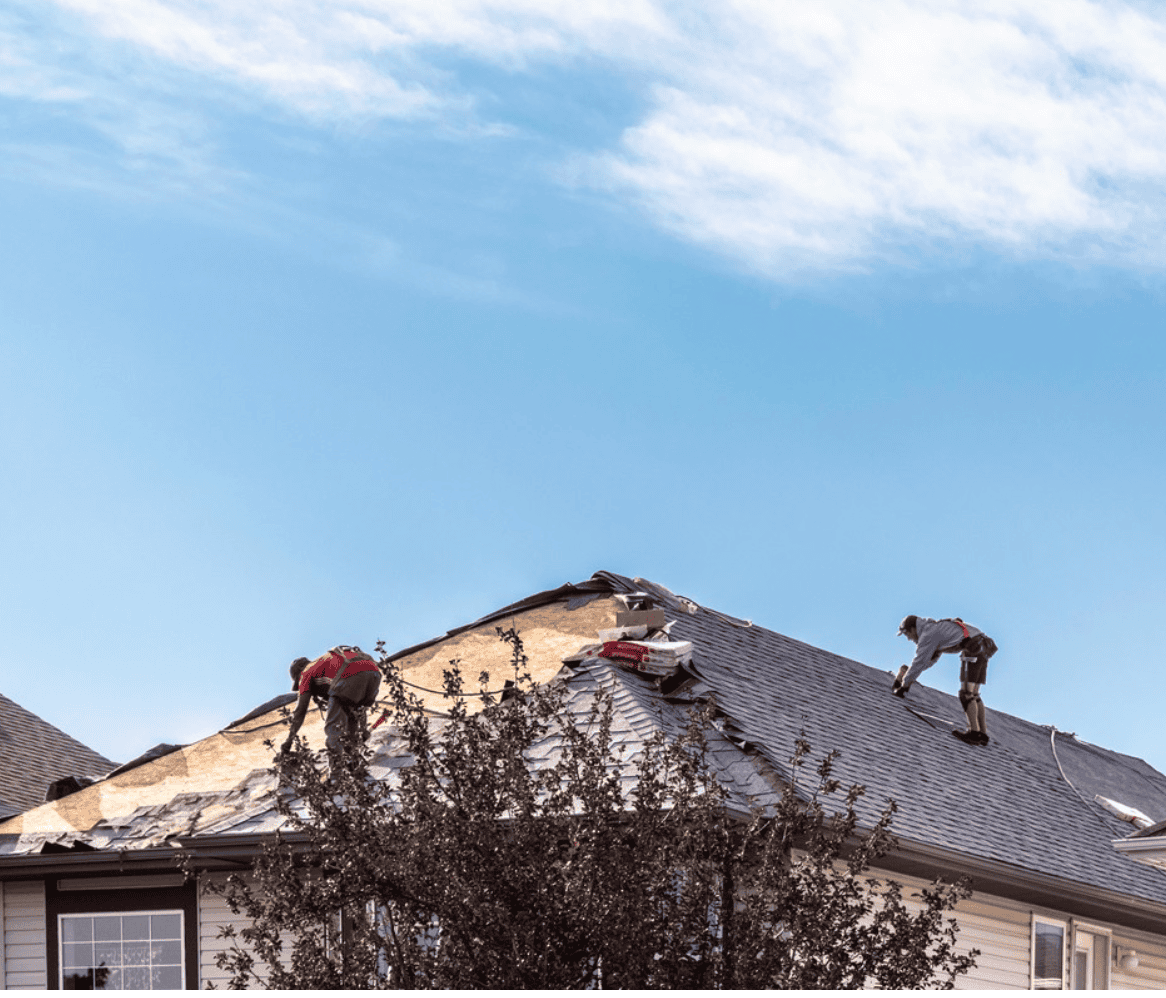
City of Calgary Climate Ready Home Program
Is Your Roof Vulnerable to Hail Damage?
Older roofs are often more susceptible to hail, wind and driving rain. As asphalt shingles age, they can lose protective granules, become brittle and develop cracks or lifted edges.
Warning signs that your roof may be vulnerable include:
- Missing, curling, cracked or loose shingles
- Bald areas or noticeable granule loss
- Granules collecting in gutters or at downspout openings
- Exposed or deteriorating roof flashing
- Loose vents, caps or other roof penetrations
- Soft areas, sagging or signs of moisture damage
- Previous repairs that are beginning to fail
- Water stains on ceilings or inside the attic
- A roof approaching the end of its expected service life
Not all roof problems are visible from the ground. A professional inspection can identify weakened areas before hail and high winds turn a small concern into an urgent repair.
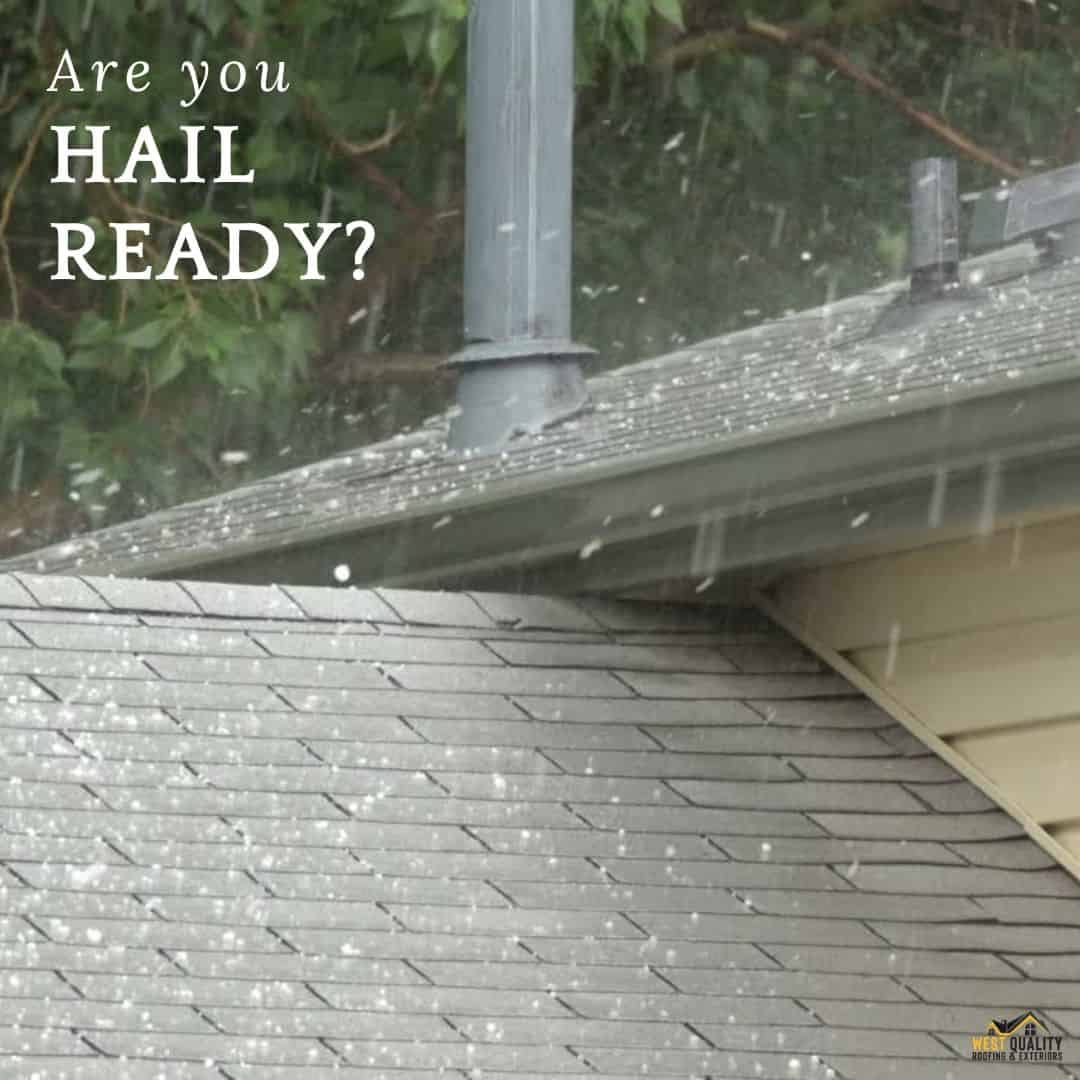
What to Inspect Before Calgary’s Hail Season
A complete exterior inspection should go beyond the shingles. Hail can affect nearly every exposed part of your home.
Shingles and Roofing Materials
Check for loose, damaged or aging shingles. Pay particular attention to roof edges, ridges and valleys, where wind-driven rain can find its way beneath compromised roofing materials.
Avoid climbing onto the roof yourself. Walking on an aging or damaged roof can be dangerous and may cause further damage.
Flashing
Flashing helps prevent water from entering around chimneys, walls, valleys and roof penetrations. Loose, rusted or poorly sealed flashing can allow driving rain to enter the roof system even when the shingles appear intact.
Roof Vents
Roof and attic vents can crack, loosen or be dented during a hailstorm. Before storm season, check that vents are secure and properly sealed. Calgary’s climate-ready guidance recommends roof vents rated for high-wind conditions.
Gutters and Downspouts
Clean gutters allow heavy rain to drain away from the roof and foundation. Remove leaves, branches and other debris, and check for loose fasteners, separated joints or improperly directed downspouts.
A gutter already weakened by age may be more likely to bend, dent or pull away from the home during a severe storm.
Siding and Exterior Trim
Inspect siding for cracks, loose panels, gaps and previous impact damage. Standard vinyl siding can become more brittle as it ages and may crack when struck by hail.
Homeowners planning an exterior renovation may want to consider more resilient materials such as fibre cement siding. The City of Calgary identifies fibre cement as one of the more resilient siding options for hail and high winds.
Skylights
Look for cracked glass, damaged flashing, deteriorating seals or moisture around the skylight opening. A professionally installed skylight system should integrate properly with the surrounding roofing material to help protect against wind-driven rain.
Older skylights may be worth replacing at the same time as the roof. Coordinating both projects can improve the installation and reduce the need to disturb a new roof later.
Document Your Exterior Before a Storm
Before hail season intensifies, take clear, dated photographs and videos of your home’s exterior. Include:
- Every side of the roof that can be safely photographed
- Siding, windows and exterior doors
- Skylights and roof penetrations
- Gutters, downspouts, soffit and fascia
- Decking, fencing and outdoor structures
- Air-conditioning units and other exterior equipment
Store the images somewhere secure and accessible, such as cloud storage. If your home is damaged, this documentation may help demonstrate its pre-storm condition when speaking with your insurance provider.
It is also a good time to review your home insurance policy. Ask about your hail and wind coverage, deductible, exclusions, depreciation and whether installing an impact-resistant roof could qualify you for a discount.
Comparing Hail-Resistant Roofing Options for Calgary Homes
If your roof is aging or has already experienced storm damage, upgrading to a more resilient roofing system can help reduce future risk.
Class 4 Impact-Resistant Asphalt Shingles
Class 4 is the highest impact-resistance classification available under the commonly used UL 2218 testing standard.
Class 4 asphalt shingles offer:
- Greater resistance to impact than standard asphalt shingles
- A familiar appearance in a wide selection of colours
- A lower initial investment than many premium roofing systems
- Potential eligibility for insurance discounts, depending on the provider
- Good value for Calgary homeowners seeking improved protection
These shingles are an excellent option for many homes, but the Class 4 rating does not guarantee that the roof will never be damaged.
Euroshield Rubber Roofing
Manufactured in Calgary, Euroshield roofing is made primarily from recycled rubber and is designed for demanding weather conditions. Euroshield products achieve a Class 4 UL 2218 impact rating and are available in styles that recreate the appearance of natural slate or wood shake.
Potential benefits include:
- Excellent impact resistance
- Flexibility during Calgary’s temperature changes
- Long-term durability
- Premium shake and slate-inspired designs
- Significant recycled content
- Written hail warranty coverage that varies by product
Certain Euroshield HP products carry specific manufacturer warranty protection against hail of any size for a defined period. Homeowners should always review the current written warranty for the exact product under consideration rather than relying on the general term “hail-proof.” Learn more from Euroshield’s product information.
Metal Roofing
Metal roofing can provide excellent longevity, fire resistance and performance in Calgary’s changing weather. Depending on the product, metal roofs may also offer strong impact resistance.
Important considerations include:
- The thickness and type of metal
- Panel design and fastening system
- Impact-resistance rating
- Possibility of cosmetic denting
- Noise control and underlayment
- Manufacturer warranty exclusions
A metal roof may continue to protect the home after a hailstorm while still showing visible dents. Homeowners should ask whether cosmetic damage is included or excluded under the product and insurance warranties.
Class 4 Shingles or Euroshield: Which Is Right for Your Home?
The best choice depends on your home, budget, design preferences and long-term plans.
Class 4 asphalt shingles may be the right fit if you want improved hail resistance with the traditional appearance and more accessible price point of asphalt roofing.
Euroshield may be worth considering if you want premium impact resistance, a longer-term roofing investment and the distinctive look of shake or slate without using natural wood or stone.
Metal roofing is another strong option for homeowners prioritizing longevity, fire resistance and a clean architectural appearance.
West Quality Roofing and Exteriors can inspect your existing roof and explain the benefits, limitations, installation requirements and warranty coverage of each system.
Hail-Resistant Does Not Mean Hail-Proof
No roof is completely invulnerable to every storm.
A Class 4 rating confirms that a roofing product performed to a defined level under controlled impact testing. It does not recreate every real-world combination of hail size, shape, speed, wind direction, roof age and temperature.
Severe hail can also damage vents, flashing, gutters, skylights, siding and the roof decking beneath the surface material. Even when roofing materials appear intact, hidden damage may allow moisture to enter over time.
The best protection comes from combining resilient materials with a properly designed roof assembly, professional installation, regular maintenance and timely inspections.
Prepare Before the Storm Arrives
The best time to discover a loose shingle, failing seal or damaged vent is before the next severe-weather warning.
West Quality Roofing and Exteriors has served Calgary and surrounding communities since 2008. Our experienced team can inspect your roof and exterior, identify vulnerable areas and recommend appropriate repairs or hail-resistant roofing options for your home.
Book your pre-storm roof and exterior inspection today. Call 403-719-4271 or contact West Quality Roofing and Exteriors to get started.
